









The Art of Kadwa Weaving
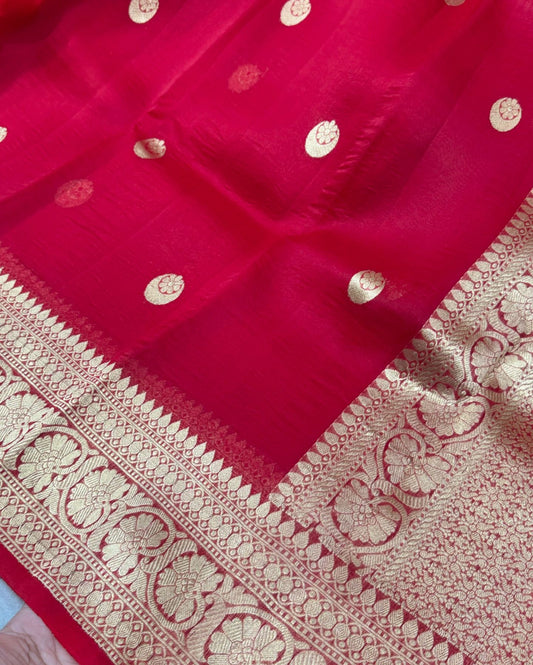
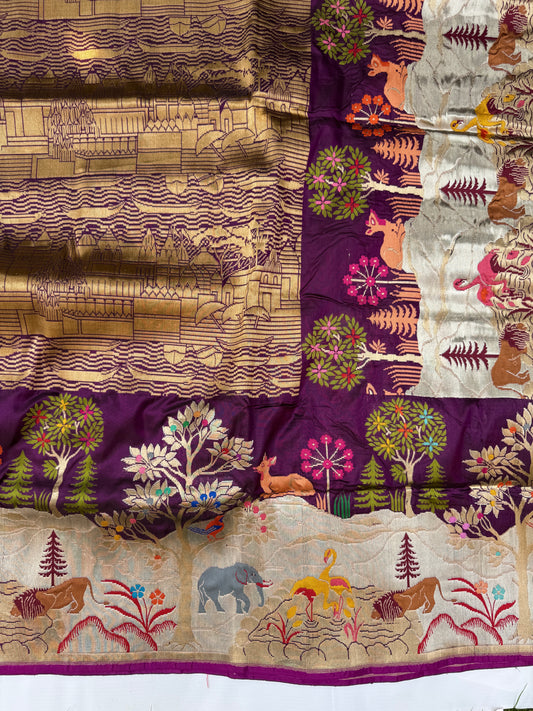
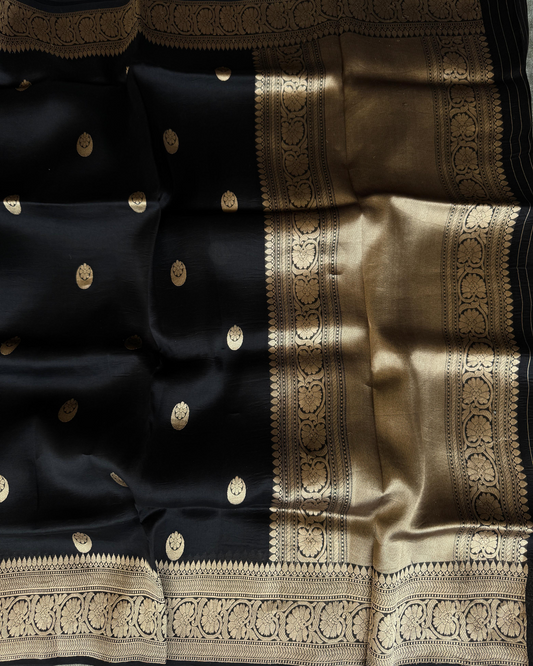
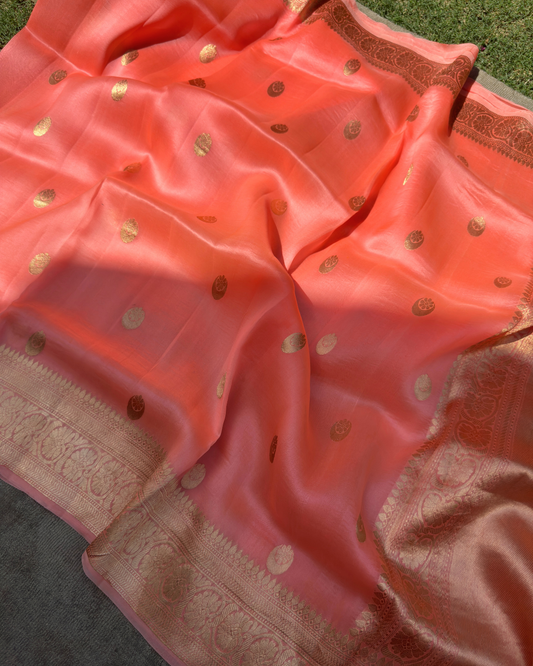
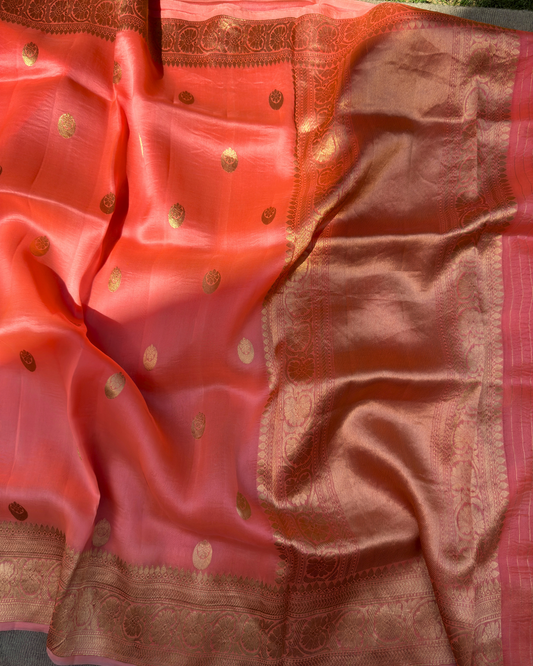
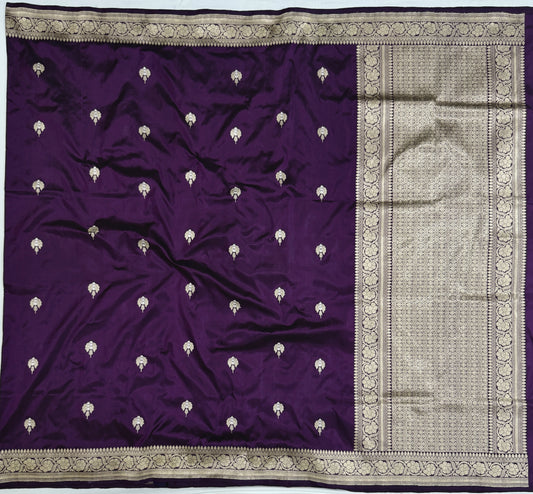
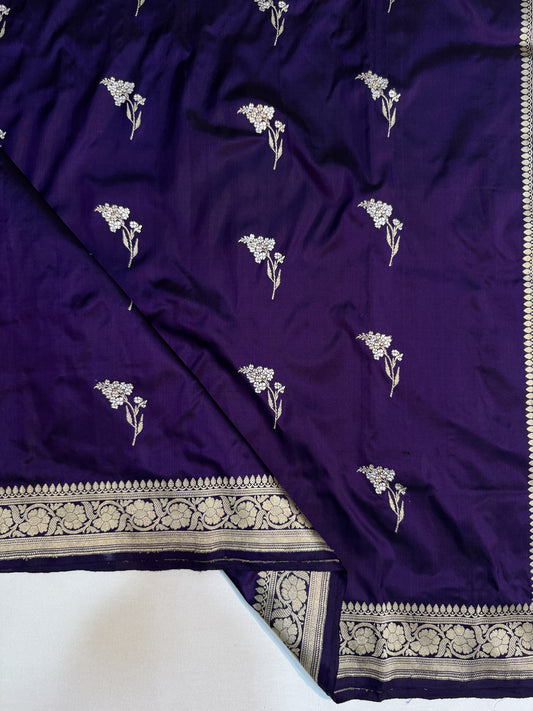
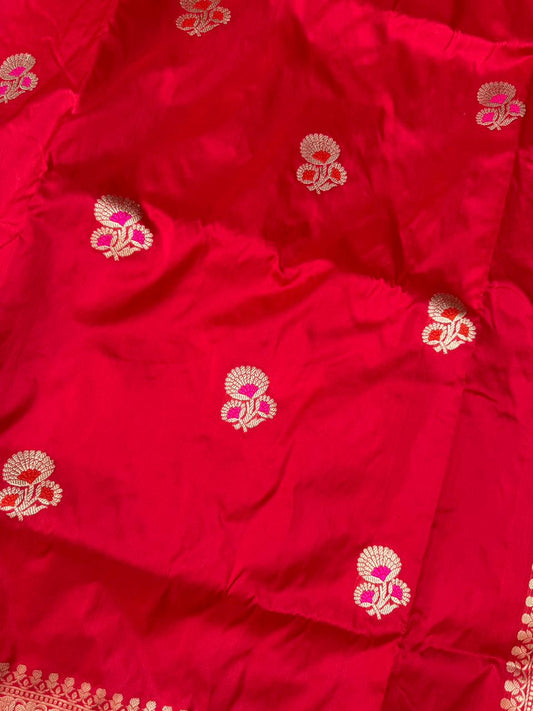
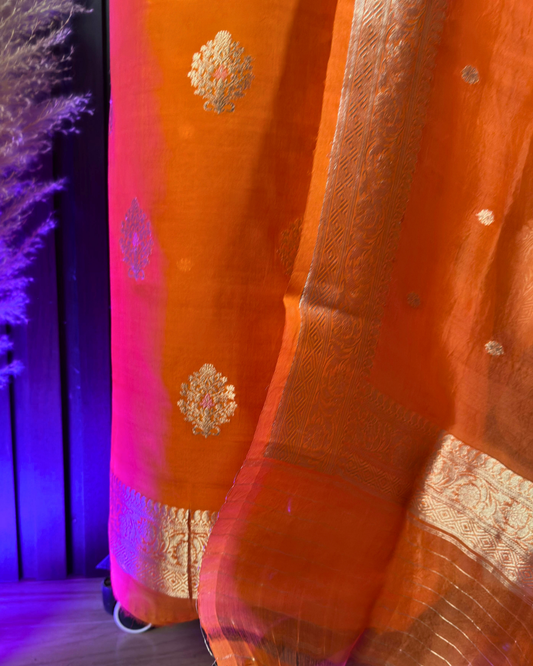
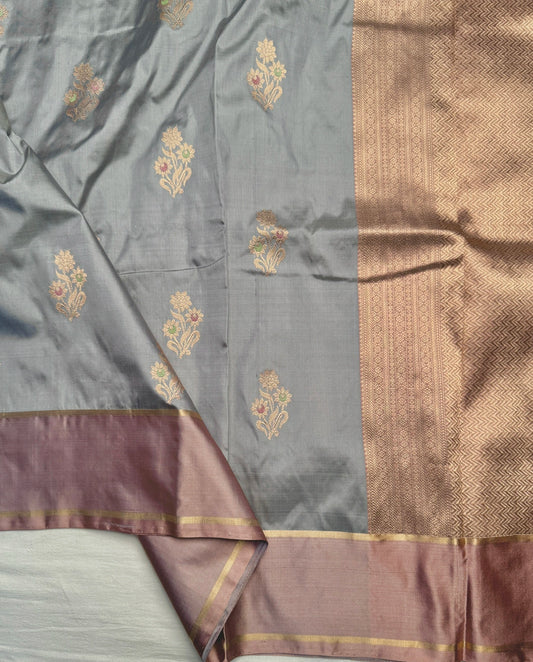
A Kadwa weave saree isn't just decorated with zari. The design is built into the fabric itself, one motif at a time. On Varanasi handlooms, weavers pass small bobbins through selected warp threads, a method called discontinuous supplementary weft weaving. That's how flowers, paisleys and fine butis seem to rise straight out of the silk. It looks like a hand-engraved zari saree, but every detail is woven, never printed.
It's slow, careful work, which is why a pure silk Kadwa saree can take four to eight weeks on the loom. Each motif needs its own passes, and dense all-over patterns, heavy borders or elaborate pallus can take much longer. A Fekwa weave is quicker because the extra yarn can travel across the fabric, leaving floats behind the motifs. Kadwa keeps the decorative weft inside the design, and that takes focus, precise thread control and steady tension.
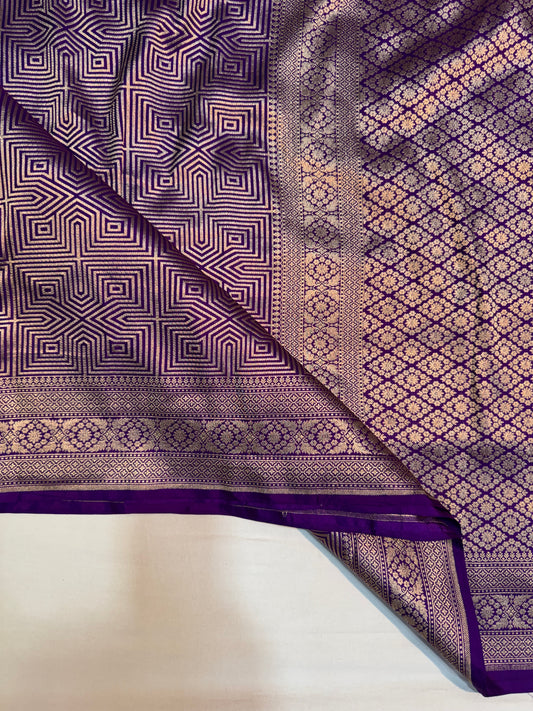
You'll really see the difference when you turn the saree over. There are no long, loose zari floats stretching between motifs, so the back feels neater and is less likely to snag on jewellery or rub against your skin. A little handloom texture is perfectly natural. What sets genuine Kadwa apart is the absence of those long floating threads. It's a saree that's been thought through on both sides.
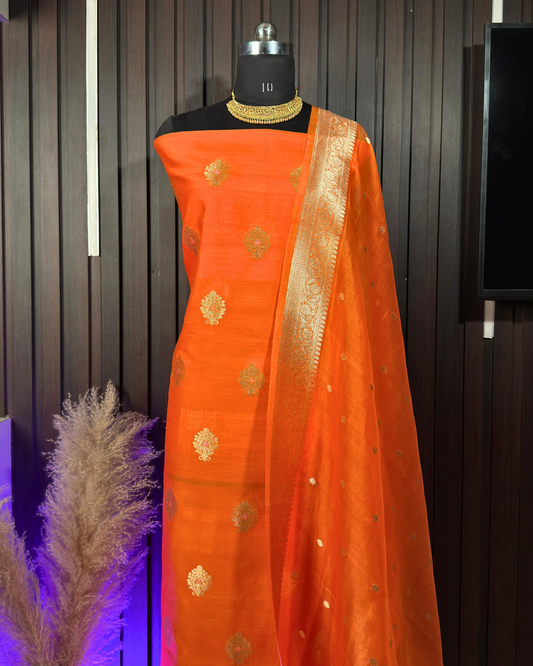
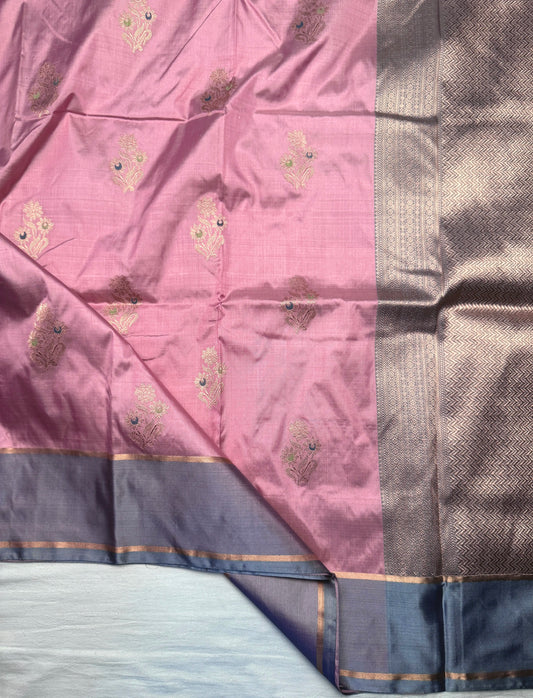
Our Kadwa Banarasi saree collection at Hamjoli Banaras celebrates that rare mix of artistry and practicality. Choose a pure Katan silk Kadwa saree for a wedding, a meaningful gift or any occasion that calls for quiet grandeur. Store it carefully, trust it only to a specialist silk cleaner, and it can stay rich for generations. More than a purchase, it's an investment in a living craft, holding the time, skill and imagination of the weaver who made it.